
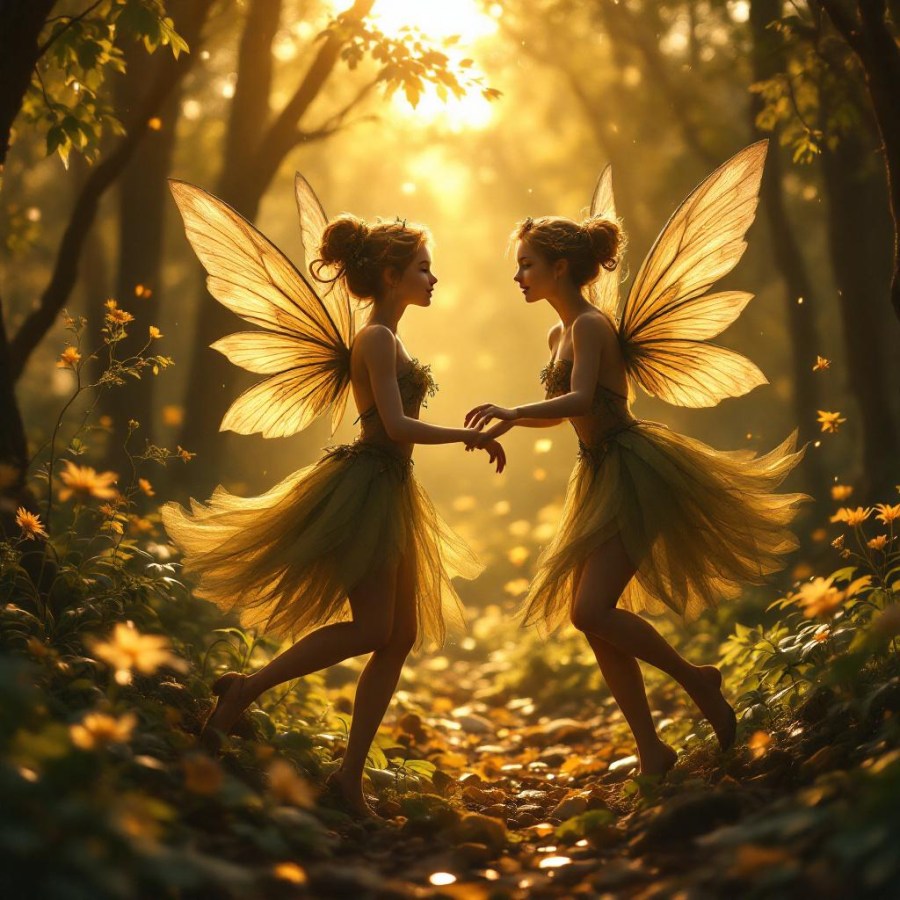
In the green hills and misty valleys of Wales, where mountains loom and lakes ripple beneath ancient skies, the unseen world still hums with life. The Welsh call them Tylwyth Teg—the Fair Folk—a mysterious race of fairies, spirits, and otherworldly beings that have long shared the land with humankind.
But these are not the tiny, winged creatures of modern fairy tales. The fairies of Welsh legend are older, stranger, and far more complex. They can bring blessings or curses, love or loss, and sometimes—if you’re not careful—they can steal you away entirely.
Who Are the Welsh Fairies?
The Tylwyth Teg are at the heart of Welsh fairy lore. The name means “the Fair Family” or “Fair Folk,” but they are not always fair in behavior. They are shape-shifting, beautiful, and sometimes dangerous beings who live in a world just beyond our own.
Welsh fairy lore also includes other magical creatures:
- Ellyllon – mischievous sprites, sometimes compared to goblins.
- Pwca (Pooka) – trickster fairies or shapeshifters who lead travelers astray.
- Gwyllion – eerie mountain spirits, often appearing as crones who follow travelers at night.
- Coblynau – mine fairies who knock on stone walls to guide or warn miners.

Encounters With the Otherworld
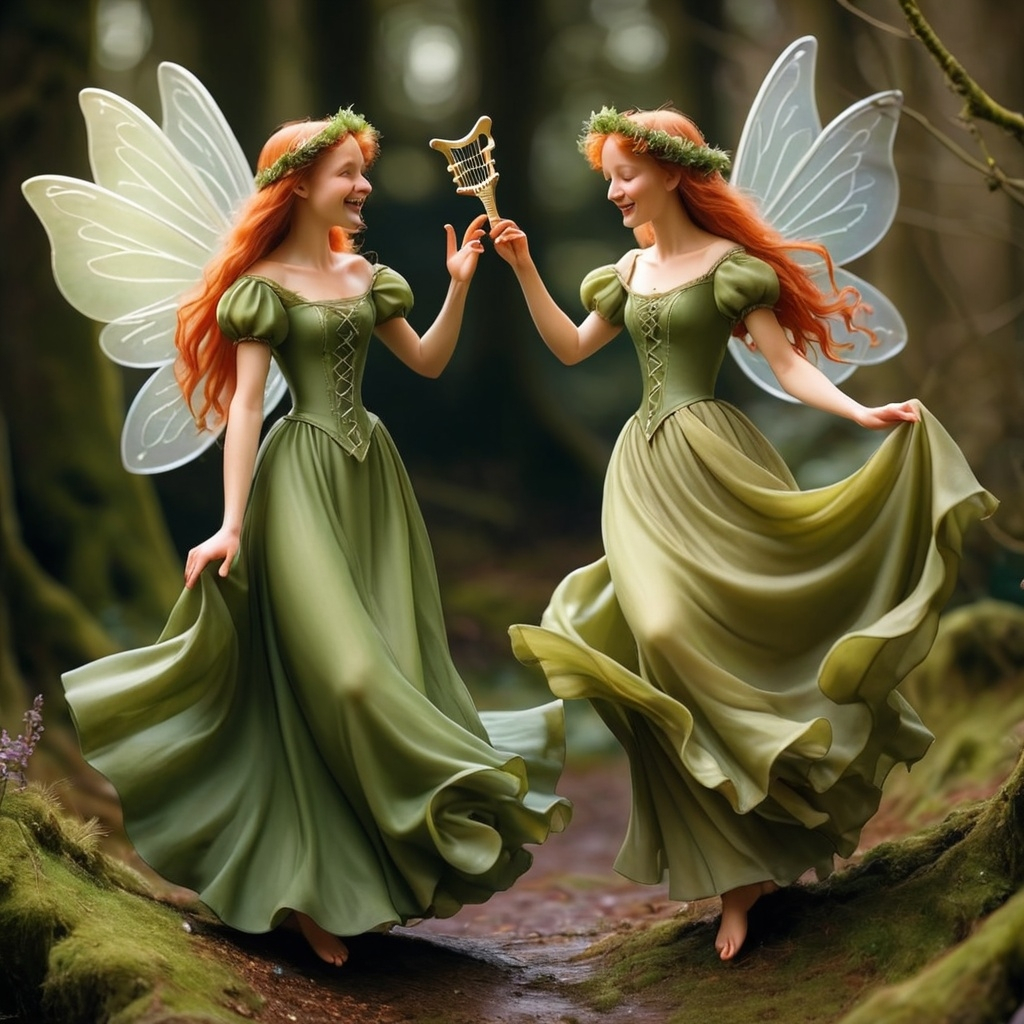
Fairies in Wales are known for their love of music, dancing, and mischief, but they are also bound by strict rules and taboos. Crossing paths with them can change your life forever.
Fairy Lovers
Many Welsh tales tell of humans marrying fairies, often after stealing a fairy’s cloak or catching her in a fairy ring. But these marriages come with conditions. If the human breaks a promise—by striking the fairy wife, speaking her true nature aloud, or failing to respect her boundaries—the fairy leaves, often forever.
Changelings
Sometimes the Fair Folk are said to steal human babies, leaving behind changelings—sickly, unnatural children who cry at odd times or say strange things. There are old folk methods to identify and expel changelings, but these stories remind us of the fragile line between the natural and supernatural worlds.
The Problem of Time
One constant theme in fairy tales is time distortion. A night in the fairy realm may last a hundred years in the mortal world. Many a harper or wanderer has returned from a fairy feast to find their home long gone and their loved ones forgotten by history.
Famous Tales of the Tylwyth Teg
The Lady of Llyn y Fan Fach
Perhaps the most famous Welsh fairy tale is the story of the Lady of the Lake. A shepherd fell in love with a beautiful fairy woman who rose from the waters of Llyn y Fan Fach. They married under one condition: he must never strike her three times. Sadly, he eventually broke this taboo, and she returned to the lake, taking her magical cattle with her. Their sons, however, became the legendary Physicians of Myddfai, great healers of Welsh folklore.
The Fairy Changeling of Llanfabon
In Llanfabon, a mother noticed her baby had grown pale and strange. It would not nurse but whispered songs in an ancient tongue. Following a local wise woman’s advice, she tricked the changeling into revealing its true age. When she tossed it into the fire (as the custom warned), the real child was returned to her safely—plump, healthy, and smiling.
The Fairy Cow of Hafod Lwyd
A milk-white cow with red ears—a classic sign of a fairy animal—once wandered into a farmer’s field at Hafod Lwyd. Her milk was endless and sweet, but when the farmer tried to slaughter her out of greed, she vanished into the mist, taking with her all the wealth she had given.
Places Where the Fairies Roam
Wales is rich with fairy-haunted places:
- Llyn y Fan Fach – the lake of the fairy lady.
- Cadair Idris – the mountain of poets and fairy warriors.
- Craig y Ddinas – a fairy hill said to contain enchanted soldiers waiting to rise again.
- Llyn Corwrion – where fairies dance in the moonlight.
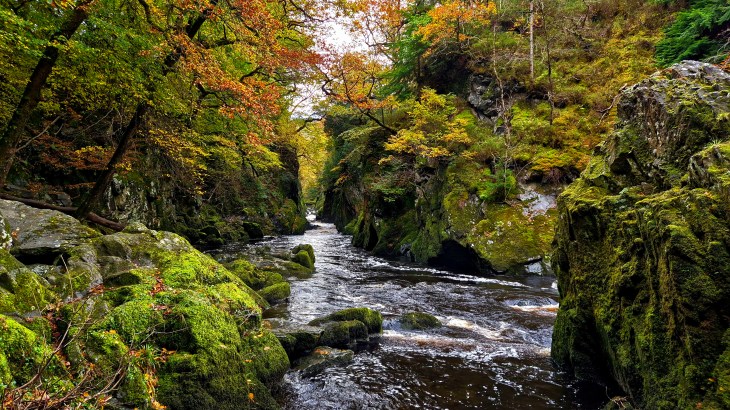
- Fairy Glen (Betws-y-Coed) You can read more about this enchanting place here
Many Welsh families still avoid building homes on fairy paths, and some old houses were deliberately built with crooked corners to allow fairies to pass unhindered.
The Living Legacy of Welsh Fairies
Today, the stories of the Tylwyth Teg continue to inspire writers, artists, and storytellers. From fantasy novels to local legends told at firesides, the fairies of Wales remain part of the living folklore.
These tales remind us of a time when people believed the land itself was enchanted—where respect for nature, humility, and careful words kept the balance between the seen and unseen worlds.
Whether you believe in fairies or not, the myths of Wales offer more than just entertainment. They reveal deep truths about how people once viewed the world: a place of mystery, magic, and unseen forces just beyond the veil.
So next time you walk through the Welsh countryside, tread lightly. The Fair Folk may still be watching.

 Outdoors with Karolina